
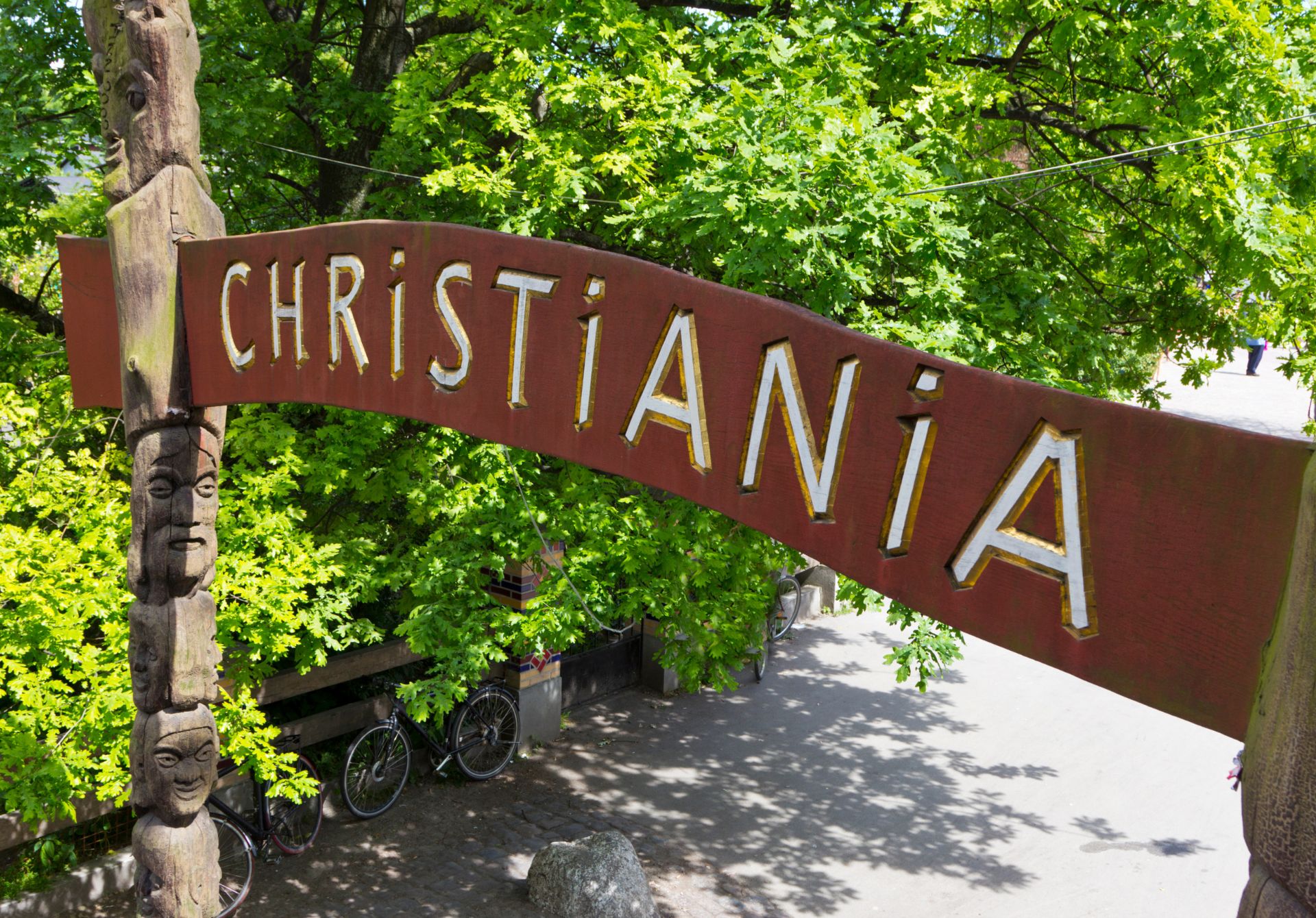
In the vibrant urban landscape of Copenhagen, Christiania stands as a remarkable testament to grassroots social innovation. Established on September 26, 1971, this self-proclaimed autonomous neighborhood emerged when a group of activists and hippies occupied an abandoned military barracks in the Christianshavn district.
The founding moment was both spontaneous and deliberate. As housing shortages plagued Copenhagen and alternative lifestyles gained traction, these pioneers saw an opportunity to create a unique community based on principles of collective living, artistic expression, and radical self-governance.
Governance and Social Structure
Unlike traditional urban neighborhoods, Christiania operates under a distinctive model of direct democracy. The community makes decisions through mandatory weekly meetings where every resident has an equal voice. This consensual decision-making process ensures that major community choices reflect collective will rather than hierarchical leadership.
Key principles governing Christiania include:
- No private ownership of property
- Collective economic responsibility
- Emphasis on ecological sustainability
- Rejection of hard drugs
- Promotion of artistic and creative endeavors
Economic Landscape
Economically, Christiania represents a fascinating alternative to conventional urban economies. Residents generate income through various creative and entrepreneurial activities, including art workshops, small businesses, music venues, and communal enterprises. The estimated population of around 1,000 residents maintains a unique economic ecosystem that challenges traditional capitalist models.
In 2012, after years of legal disputes, the community reached a landmark agreement with the Danish government. Residents could purchase their land collectively, transforming their status from unauthorized occupiers to legitimate property holders under a special cooperative arrangement.
Cultural Significance and Challenges
Christiania has not been without controversy. The neighborhood’s open cannabis trade in the famous “Pusher Street” has been a persistent point of tension with Danish authorities. While the community has implemented strict rules against hard drugs and violence, the cannabis market has attracted both international attention and legal scrutiny.
Despite challenges, Christiania has become a global symbol of alternative urban living. It attracts over 500,000 tourists annually, who are drawn by its unique architectural aesthetics, vibrant street art, and communal lifestyle.
Architectural and Environmental Innovation
The physical landscape of Christiania is a testament to creative recycling and sustainable design. Many buildings are constructed from recycled materials, showcasing innovative architectural approaches that prioritize ecological consciousness. Green spaces, organic gardens, and repurposed structures demonstrate the community’s commitment to environmental sustainability.