
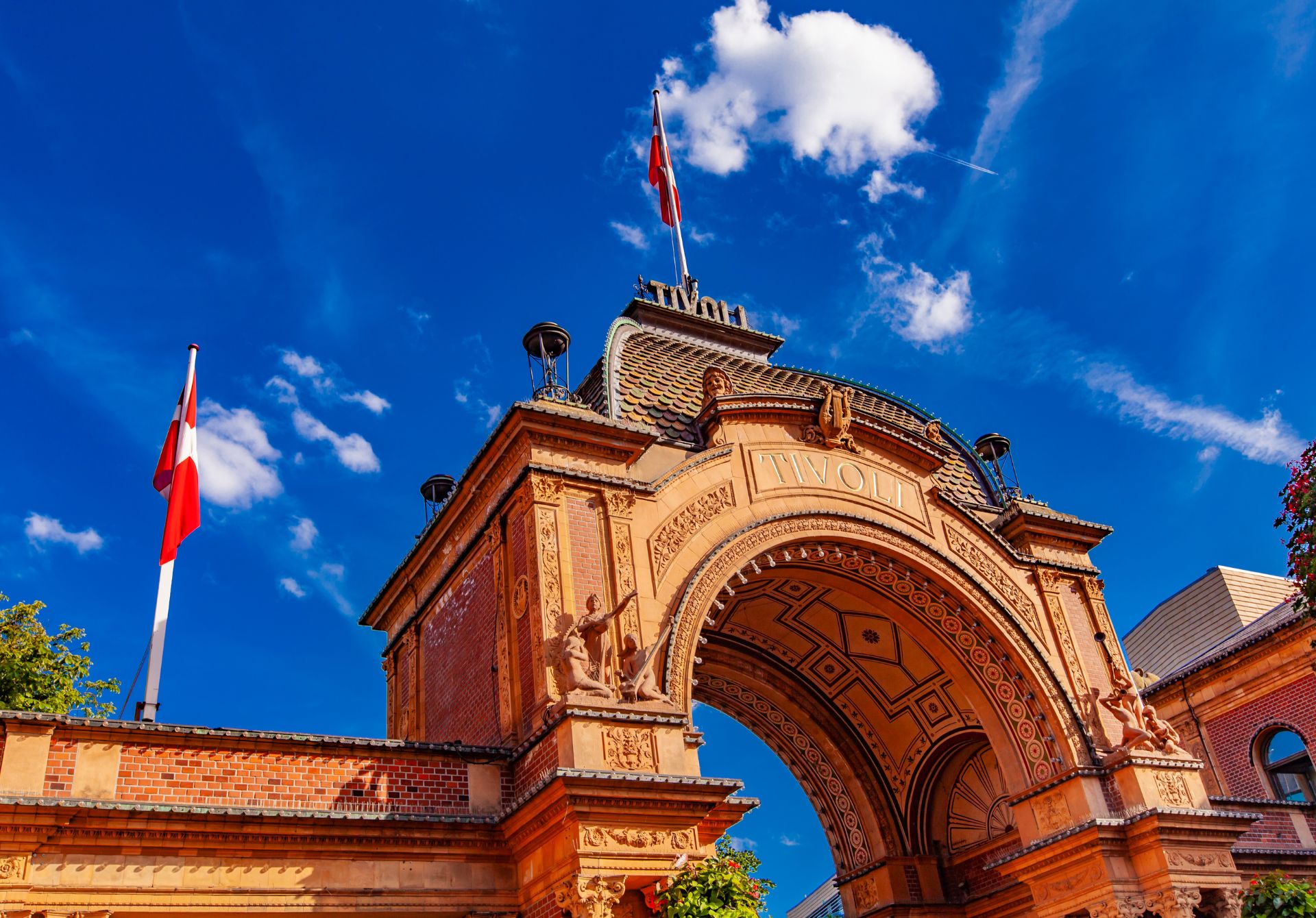
Nestled in the heart of Copenhagen, Tivoli Gardens stands as a testament to imaginative urban design and cultural innovation. Founded on August 15, 1843, by Danish businessman Georg Carstensen, the park was originally conceived as a means of distracting citizens from political concerns. King Christian VIII granted Carstensen a five-year charter to create this remarkable attraction, marking the beginning of what would become one of the world’s most iconic amusement parks.
Carstensen’s vision was revolutionary for its time. He drew inspiration from European pleasure gardens, creating a space that was more than just an amusement park—it was a cultural institution that would blend entertainment, nature, and artistic expression in unprecedented ways.
Architectural and Design Marvel
Tivoli Gardens is renowned for its stunning architectural diversity. The park seamlessly combines multiple design styles, from romantic European landscapes to whimsical fairy-tale aesthetics. Its carefully curated environments include:
- Pantomime Theatre: A remarkable wooden structure dating back to 1874
- Chinese-inspired pagodas and architectural elements
- Beautifully landscaped gardens with over 100,000 flowers planted annually
The park’s design philosophy emphasizes creating immersive experiences that transport visitors to different worlds, making each visit a unique journey of discovery.
Cultural Significance and Global Influence
Tivoli Gardens has profoundly influenced global theme park design. Walt Disney himself reportedly visited the park multiple times and cited it as a significant inspiration for Disneyland. With an annual visitor count exceeding 4.5 million, it remains one of the most popular tourist attractions in Scandinavia.
Beyond mere entertainment, Tivoli serves as a living museum of recreational design, showcasing how public spaces can blend leisure, art, and cultural expression. The park hosts numerous events throughout the year, including:
- Summer concerts featuring international and local artists
- Halloween-themed celebrations
- Spectacular Christmas market and light displays
Technological Innovation and Preservation
Despite its historical roots, Tivoli Gardens remains at the forefront of technological innovation. The park continuously updates its attractions while maintaining its historic charm. The Rutschebanen, a wooden roller coaster built in 1914, is one of the world’s oldest functioning wooden roller coasters, symbolizing the park’s commitment to preserving heritage while embracing modernity.
Modern attractions like the Demon roller coaster and advanced light shows demonstrate Tivoli’s ability to evolve with changing visitor expectations while retaining its unique character.
Economic and Tourism Impact
Tivoli Gardens is more than an attraction—it’s a significant economic driver for Copenhagen. The park generates approximately 180 million Danish kroner annually and employs over 1,000 people during peak seasons. Its global reputation attracts tourists from around the world, contributing substantially to Denmark’s tourism industry.
For visitors and locals alike, Tivoli Gardens remains a magical destination—a place where history, art, technology, and imagination converge to create an unparalleled experience that continues to captivate generations.