
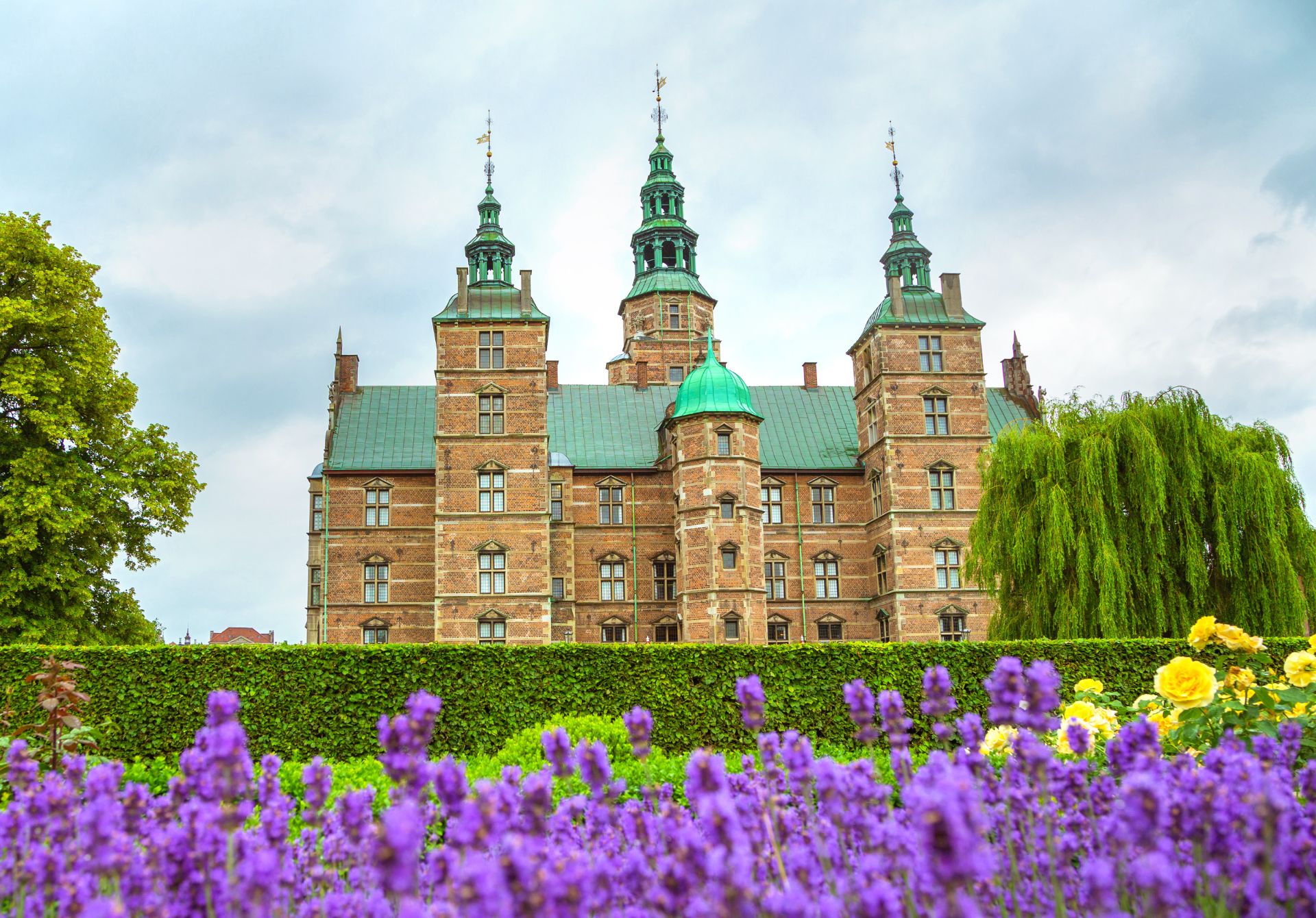
Nestled in the vibrant Kongens Have (King’s Garden) in Copenhagen, Rosenborg Castle stands as a remarkable testament to Denmark’s rich royal history. Constructed in the early 17th century by King Christian IV, the castle represents a pivotal period of Danish Renaissance architecture and royal power.
Built between 1606 and 1634, the castle was originally conceived as a summer residence for the royal family. King Christian IV, renowned for his architectural ambitions and patronage of the arts, designed Rosenborg to be more than just a residence—it was to be a statement of royal prestige and architectural innovation.
Architectural Marvel: Renaissance Splendor
The castle exemplifies the distinctive Dutch Renaissance style, characterized by its red brick facade, intricate decorative elements, and symmetrical design. Its distinctive Christian IV monogram can be found throughout the building, a personal touch that reflects the king’s significant involvement in its construction.
Unique architectural features include:
- Steep copper-clad roofs typical of Renaissance design
- Ornate interior rooms with elaborate wall tapestries
- Multiple turrets and decorative spires
The Royal Treasury: A Vault of National Treasures
Perhaps most notably, Rosenborg Castle houses the Danish Crown Jewels, one of the oldest and most complete royal collections in Europe. The castle’s lower level serves as the Royal Danish Treasury, where visitors can marvel at priceless artifacts including:
- The Crown of Christian V (circa 1671)
- Coronation thrones adorned with unique Nordic designs
- Intricate royal regalia dating back to the 16th century
Cultural and Historical Significance
Beyond its architectural beauty, Rosenborg Castle represents a crucial chapter in Danish national identity. It has served multiple functions throughout history—from royal residence to museum—and continues to be a crucial site for understanding Denmark’s monarchical heritage.
Interestingly, the castle remained a royal residence until 1710, after which it transitioned into a museum. Today, it attracts over 250,000 visitors annually, making it one of Copenhagen’s most significant cultural attractions.
The Surrounding Kings Garden
The castle is set within Kongens Have, a meticulously maintained public garden that offers visitors a glimpse into historical landscape design. The garden itself is a living museum, featuring botanical collections, statues, and walking paths that complement the castle’s historical narrative.